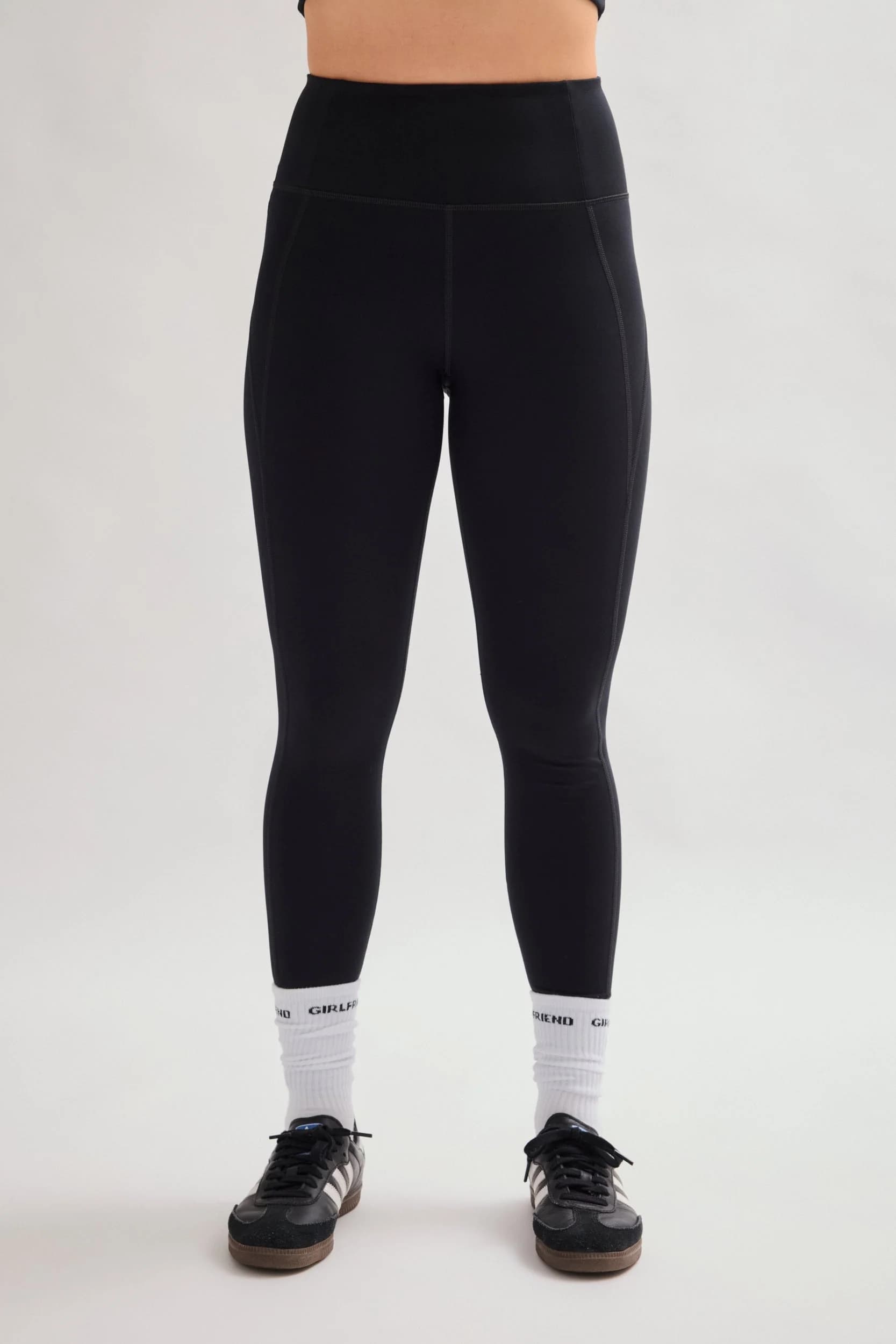
The Case for Buying Fewer, Better Pieces
Health is fashion, and fashion built to last is the more honest version of both.

Theo Marsh5 min read

In This Story
In This Story
Key Takeaways
- Higher-quality activewear frequently has a lower true cost per wear than cheaper pieces replaced on a short cycle.
- A smaller, well-fitted wardrobe tends to be worn more confidently than a larger collection of merely adequate pieces.
- The 'health is fashion' idea cuts both ways: performance and considered style aren't in tension, they're the same purchase decision done well.
Activewear's fast-fashion era trained a lot of people to buy leggings the way they buy phone chargers — cheaply, often, and without much thought to how long any one pair should last. A quieter counter-movement is making the opposite case: fewer pieces, chosen carefully, worn until they're actually done.
Cost per wear changes the math
A $120 legging worn twice a week for three years costs less per wear than a $35 pair replaced every four months because the fabric pilled, the seams gave out, or the waistband stopped recovering. Quality activewear is a genuinely different economic proposition once you do that math honestly, not just a status purchase.
Approximate cost-per-wear, $120 legging vs $35 legging over three years
~$0.38 vs ~$1.01
Assuming twice-weekly wear throughout and a 4-month replacement cycle for the cheaper pair (nine pairs purchased over three years).
The fit-is-fashion argument
There's a second case that has nothing to do with cost: a handful of pieces that actually fit well, in colors and cuts you've thought about rather than defaulted to, tends to produce a more coherent, more confident wardrobe than a large collection of vaguely-fine options. Health is fashion works both directions — the clothes should perform, and they should look like you meant it.
A capsule isn't about owning less. It's about not owning anything you have to think twice about wearing.
None of this is an argument against ever buying a trend piece for fun. It's an argument for building the boring, load-bearing 80% of a wardrobe — the leggings, the sports bras, the base layers — from a short list of things worth repairing rather than replacing.
Frequently Asked
How many pieces should a capsule activewear wardrobe have?
There's no universal number, but a common starting point is five to eight core pieces — a couple of leggings, sports bras, tops and one outer layer — chosen for genuine fit and durability rather than trend, then expanded slowly from there.
Is it actually cheaper to buy expensive activewear?
Often, yes, when measured as cost per wear rather than sticker price. A well-made piece that lasts several years can cost less per wear than a cheaper one replaced every few months, though this depends on actually wearing the more expensive piece regularly rather than saving it.
The Weekly
Movement, wellness, longevity and what we’re wearing — plus who’s moving on the athleisure ranking.
No spam. Just the good stuff.
By joining, you agree to our privacy policy.
Keep Reading